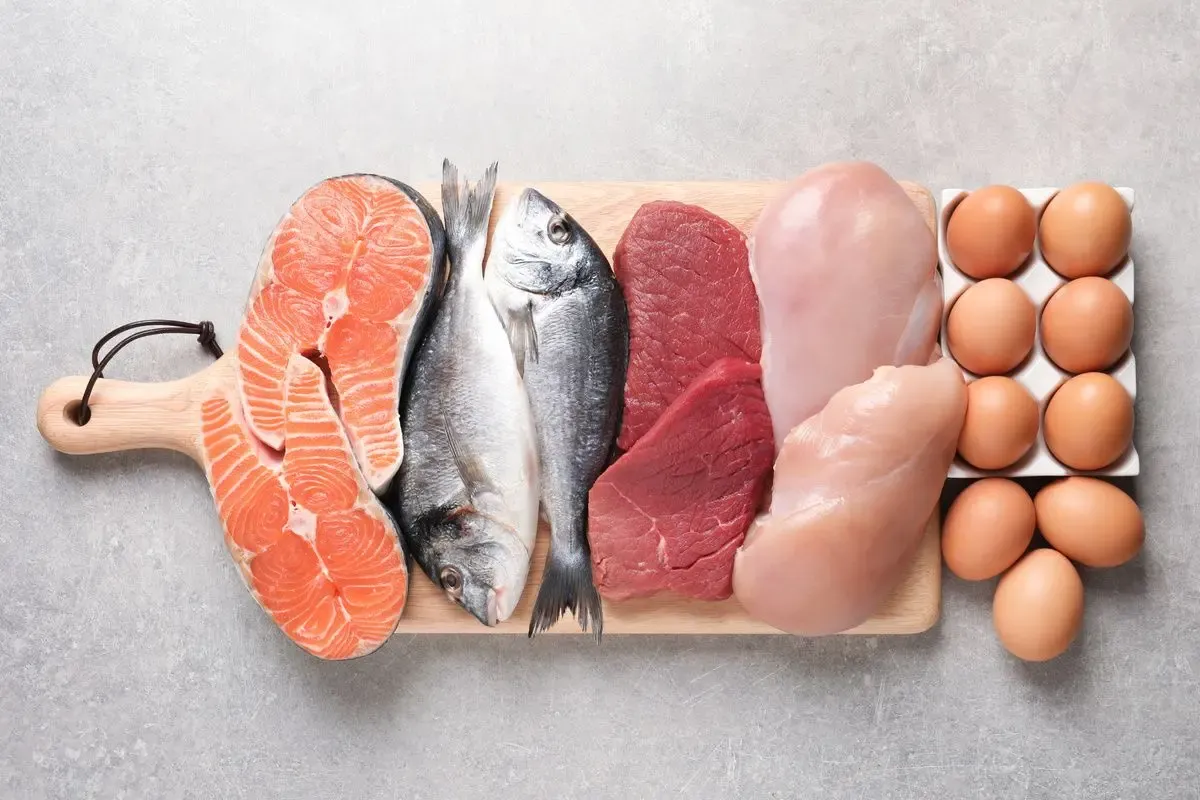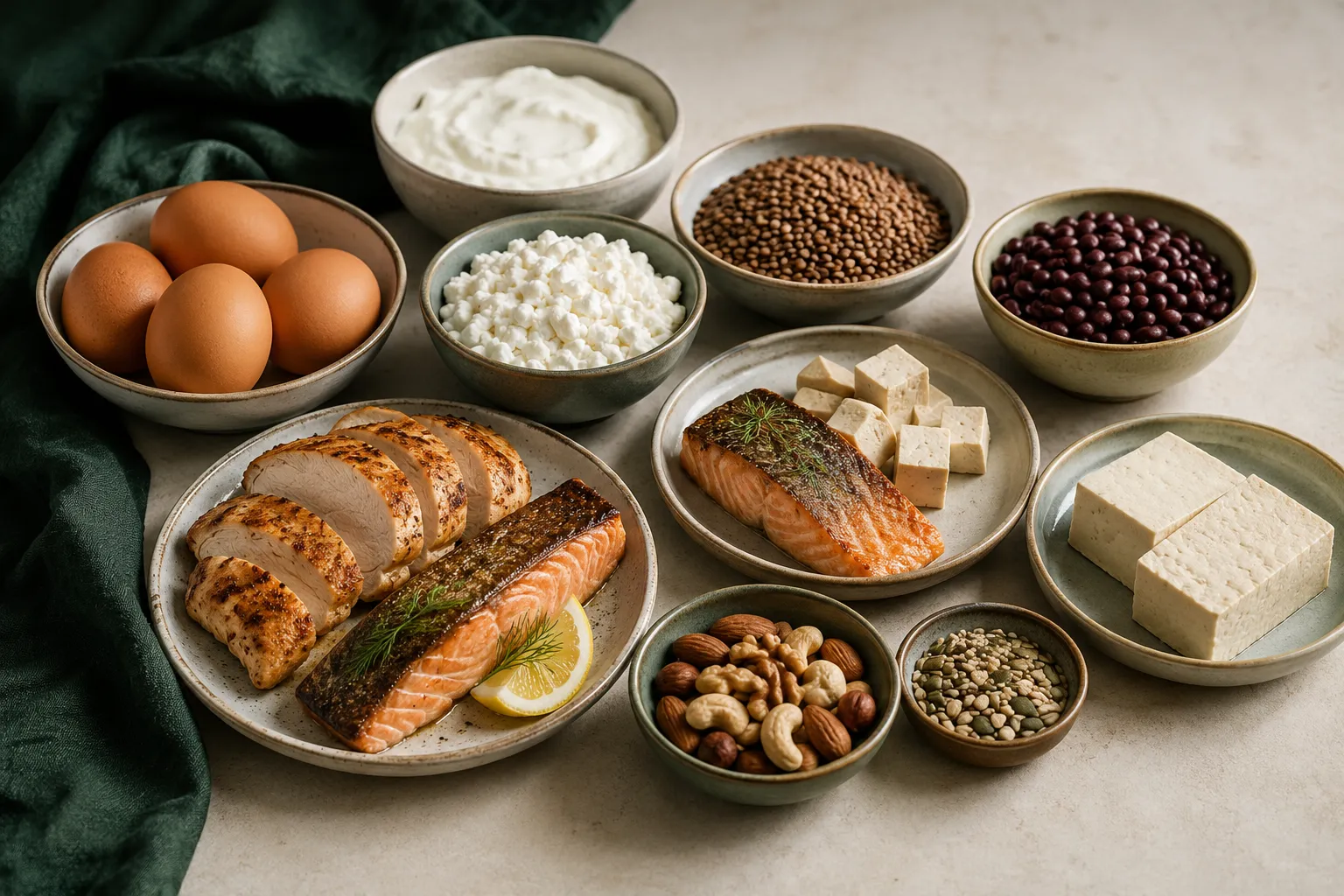

The short answer, from the official reference values used in New Zealand: about 0.84 grams of protein per kilogram of body weight per day for adult men, and 0.75 g/kg for adult women. For someone of average build that works out to roughly 64 g a day for a man and 46 g for a woman. Most New Zealand adults already eat more than that without trying.
These are population reference values designed to cover the needs of nearly all healthy people — not a personalised target or an exact minimum for every individual. Here is where the numbers come from and what actually changes them.
Where the numbers come from
The figures above are the Recommended Dietary Intake (RDI) for protein in the Nutrient Reference Values for Australia and New Zealand — a joint set of values from the Australian NHMRC and the New Zealand Ministry of Health. The RDI is deliberately set high enough to cover the needs of almost every healthy person in the group, above the average requirement, so if you are around it you are very likely covered.
Two things follow from the values being per kilogram:
- They scale with body size. A larger person needs more grams simply because the figure is multiplied by more kilograms — not because of any special rule.
- The reference values step up in some life stages. They are modestly higher for older adults, and higher again during pregnancy and breastfeeding. If that is you, use the NRV figures for your stage rather than the general adult number.
What that looks like on a plate
New Zealand’s Eating and Activity Guidelines translate this into food rather than grams: aim for at least 2–3 servings a day of legumes, nuts or seeds, fish and other seafood, eggs, poultry or red meat, with larger or very physically active people needing more. Spread across a normal day — something protein-containing at each meal — most people reach the RDI comfortably. Which foods those servings refer to, and how they compare once preparation and edible portion are accounted for, is set out in how familiar New Zealand protein foods compare per 100 grams.
Most people already meet it
This is the part the internet tends to skip. The NZ Nutrition Foundation notes that most people easily meet, and usually exceed, the protein RDI, and that even balanced vegetarian and vegan diets can supply enough. For a typical adult who is eating regular meals, “not getting enough protein” is rarely the real problem.
That does not mean more is useless for everyone — it means the baseline worry is usually misplaced, and the honest default is that you are probably already there. If a supplement is part of the question for you anyway, we cover what protein powder actually is and what a tub is allowed to claim separately.
When a higher intake is discussed
Evidence and guidelines do point to higher protein intakes in specific situations — people doing serious resistance training, older adults trying to preserve muscle, recovery from illness or surgery, and pregnancy or breastfeeding. But the right amount in those cases is individual, and it depends on your body, your training and your health.
That is a conversation with a registered dietitian or your doctor, who can give advice for your situation. This page cannot, and does not try to.
What this page deliberately does not do
It does not set a personal protein target for you, a calorie target, or a plan. It reports the official reference values, links them, shows what they look like in food, and points you to a qualified person for advice that is specific to you.
Sources
- Nutrient Reference Values for Australia and New Zealand Including Recommended Dietary Intakes — National Health and Medical Research Council & NZ Ministry of Health, 2006
- Nutrient Reference Values — Protein — NHMRC / NZ Ministry of Health
- Eating and Activity Guidelines for New Zealand Adults — Health New Zealand — Te Whatu Ora
- Protein — NZ Nutrition Foundation
General information only. Not personalised nutrition or medical advice.
Spotted something wrong? Corrections are welcome — email editorial@proteinnotes.com. How this page was researched is set out in our editorial standards.