

Protein
Are liquid egg whites really 100 g of protein for $6?
A viral clip prices a carton of liquid egg whites at 100 g of pure protein, zero fat, zero carbs. The price checks out. Three of the four claims do not.
New Zealand · independent, evidence-led nutrition
Protein is the most over-explained and under-specified topic in nutrition. These pages stick to what the published evidence and the official reference values support, say plainly where the evidence is weak, and show the numbers behind every figure.
Most protein questions turn out to be four separate questions wearing one coat: how much you need, which foods supply it, what a package is legally allowed to say about it, and whether a specific claim you have just been shown holds up. Each has a different kind of answer, and running them together is where most of the confusion starts.
Start with the reference values in how much protein you actually need each day, then move to the food itself in the comparison of New Zealand protein foods, which works from named food-composition records rather than an invented ranking. For the supermarket shelf, what a “high protein” claim means on a New Zealand label covers the regulated wording on the front of the pack, and the check of the viral liquid egg whites claim works those same label rules through a single product.
What happens to protein once it is inside the body — during illness, immobility or ageing — is a different question, and it lives in Protein & the Body, starting with what a short illness does to protein balance.
Where a question needs a personal answer rather than a published figure, a New Zealand registered dietitian or your own health professional is the right place for it.
A viral clip prices a carton of liquid egg whites at 100 g of pure protein, zero fat, zero carbs. The price checks out. Three of the four claims do not.
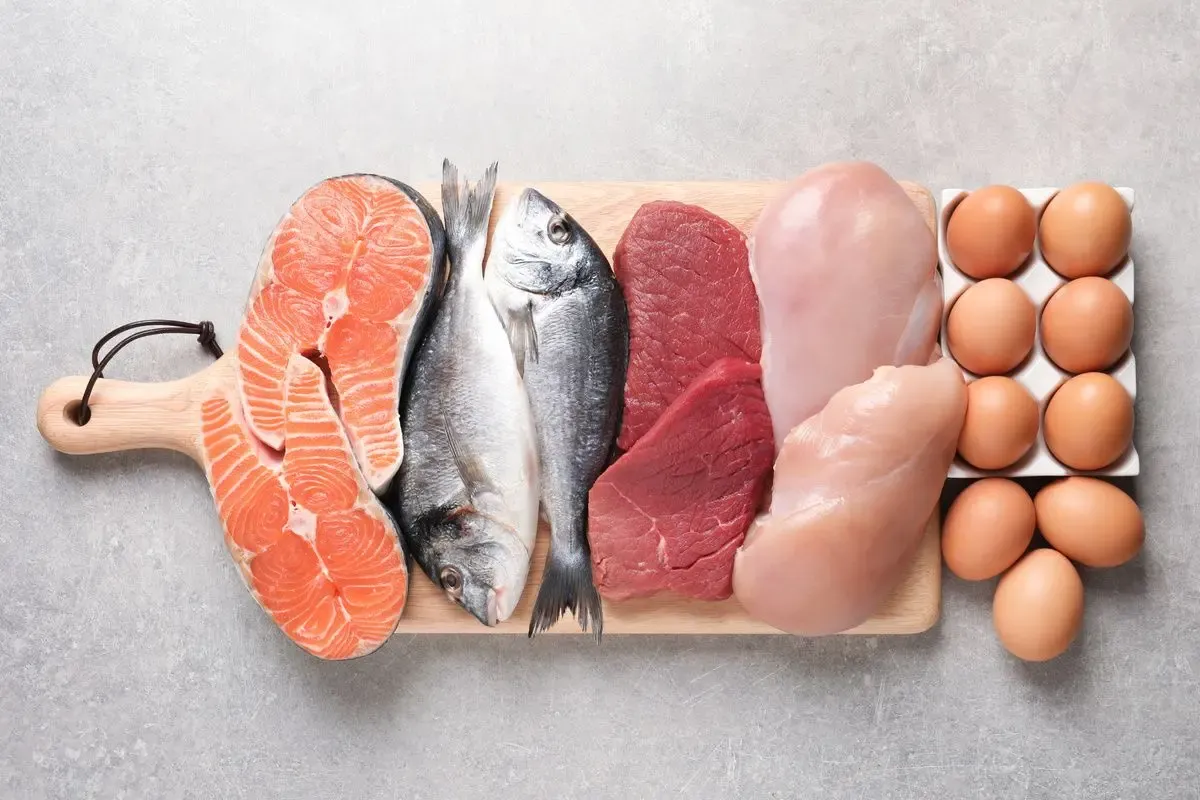
Compare familiar New Zealand protein foods using published per-100-gram data, with preparation details and label-reading context.

What the official Australia and New Zealand reference values say about daily protein — in grams per kilogram, and what that means in practice.
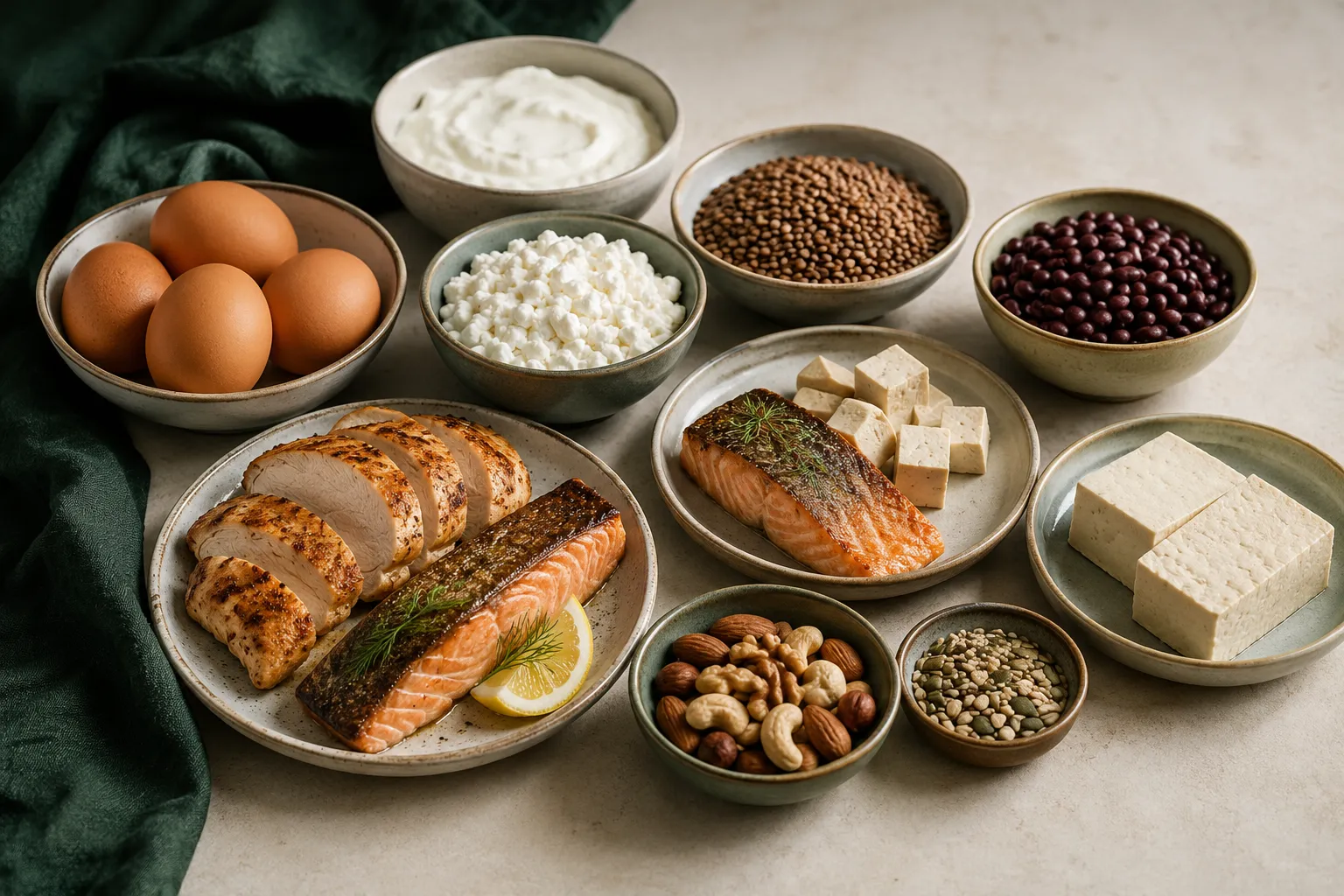
Learn what “high protein” and related claims on New Zealand food labels mean, how to read the Nutrition Information Panel, and what one claim cannot tell you.