Meal prep only saves you time if the food is still safe to eat on day three. The rules for that are not vague — New Zealand Food Safety and Food Standards Australia New Zealand publish them plainly. Here is what actually matters when you cook a batch and put it away. Deciding what goes into the batch is a separate question, covered in how much protein the New Zealand reference values actually call for and which everyday foods supply it.
The danger zone is 5–60 °C
Bacteria that make you sick multiply fastest between 5 °C and 60 °C. Food safety is mostly about moving food through that range quickly and keeping it out of it the rest of the time:
- Fridge: at or below 5 °C.
- Freezer: at or below −18 °C.
- Hot holding (if you keep food hot rather than chilling it): 60 °C or above.
A cheap fridge thermometer is the single most useful thing you can add to a meal-prep setup, because a fridge dial is not a temperature reading.
Cool cooked food fast, then refrigerate within two hours
Do not leave a big pot on the bench to cool for hours, and do not put a large hot pot straight into the fridge — it warms everything around it. Instead:
- Divide the batch into shallow containers so it cools quickly.
- Get it into the fridge within two hours of cooking.
- Leave the lid slightly ajar until it has chilled, then seal it.
The 2-hour / 4-hour rule
For food that has been sitting in the danger zone (5–60 °C) — on the bench, in transit, on a buffet — Food Standards’ rule tells you what is still safe:
- Under 2 hours total: safe to refrigerate and use later.
- Between 2 and 4 hours: use it now, do not put it back in the fridge.
- Over 4 hours: throw it out.
The time is cumulative. It counts every stretch the food has spent in that range across its whole life, not just the last time it was out.
How long prepped meals keep
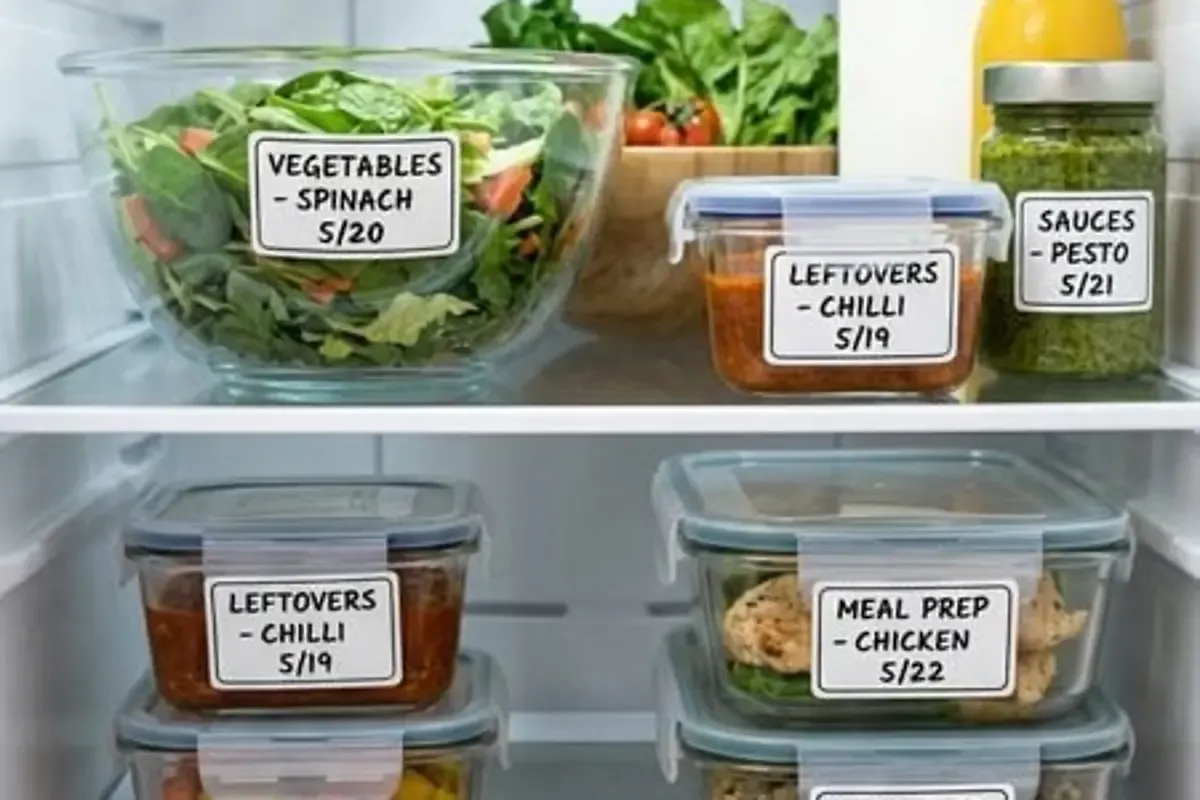
- In the fridge: use refrigerated cooked leftovers within about 2 days, or freeze them.
- In the freezer: much longer — label and date each container so you are not guessing later.
- Reheating: heat until steaming hot all the way through (aim for 75 °C in the centre), and reheat a given portion only once. Repeatedly cooling and reheating the same food is how you get into trouble.
A few habits that do most of the work
- Keep raw meat separate from cooked and ready-to-eat food, with separate boards and utensils.
- Wash and dry hands before handling food and after handling raw meat.
- When in doubt, throw it out — the cost of a wasted portion is trivial next to a bout of food poisoning.
None of this is meant as a substitute for the official guidance. If you handle food for other people at any scale, read New Zealand Food Safety’s pages in full and follow them.
Sources
- Safe food preparation, cooking, and storage at home — New Zealand Food Safety (MPI)
- Preparing and storing food safely at home — New Zealand Food Safety (MPI)
- The 2-hour / 4-hour rule — Food Standards Australia New Zealand
General information only. Not personalised nutrition or medical advice.
Spotted something wrong? Corrections are welcome — email editorial@proteinnotes.com. How this page was researched is set out in our editorial standards.